
.jpg)
The energy transition is a public conversation about the future, development, work, the environment, and everyday life. But these topics are often communicated in a way that is difficult to understand, distant, or overly technical. Meanwhile, social media has become one of the main spaces where opinions and shared understandings are formed, but it has also become a hotbed of misinformation and fake news.
That is why we need to cultivate new voices: communicators capable of translating complexity into accessible information, producing content that connects with real audiences, and building clearer and more creative narratives.
The Narrative Factory is a practical digital communication course focused on climate change and energy transition. It combines live classes, asynchronous resources, teamwork, production tools, trend analysis, narrative strategy, and metrics analysis.
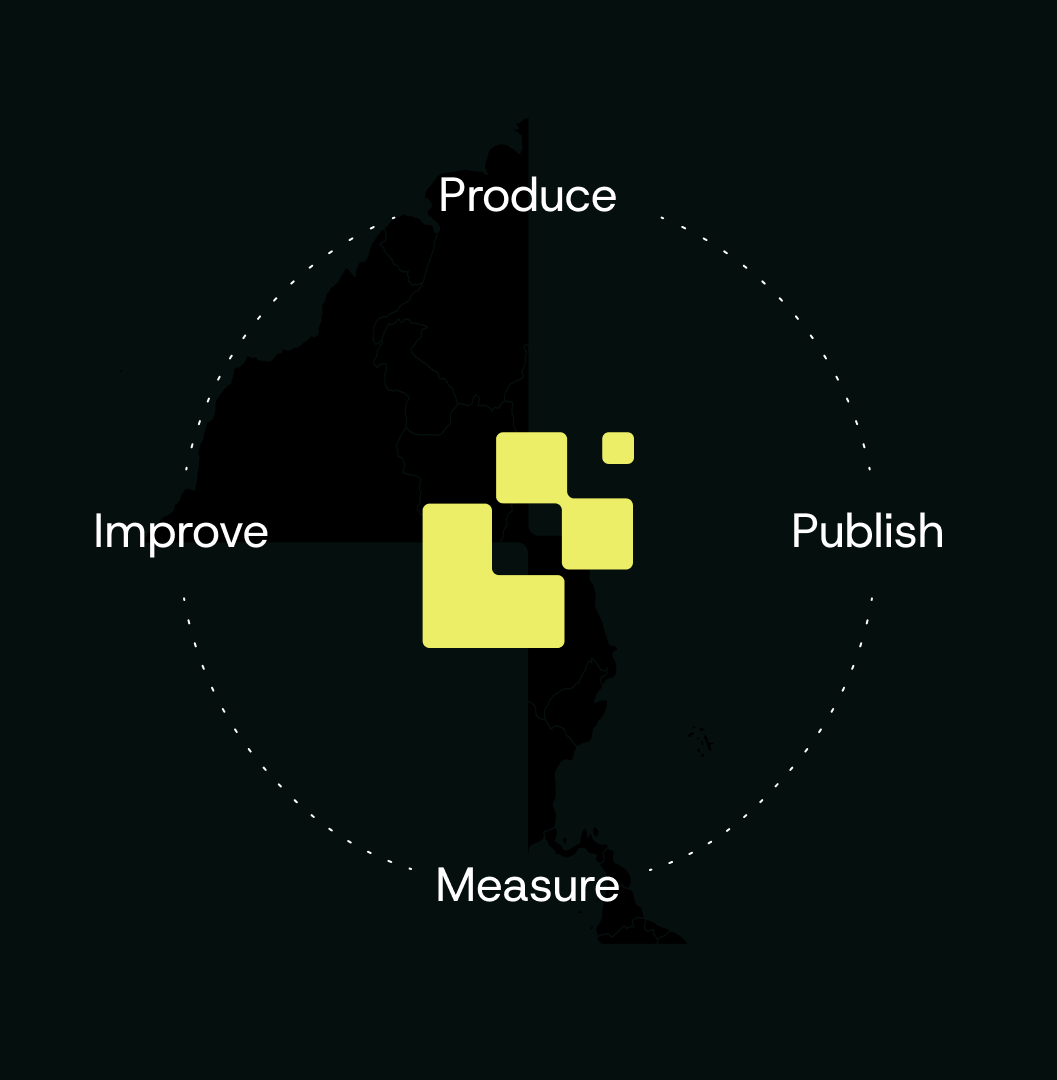
The program is based on a simple idea: you don’t learn to communicate just by studying content. You learn by producing, publishing, measuring, and improving real pieces of content. It’s an experience that takes you from ideas to concrete content, with practical tools and guidance throughout the entire process.
.svg)

Sessions to explore concepts, tools, and strategic criteria for digital communication.
.svg)
Concise, practical materials to delve deeper into content, review examples, and make progress between classes.
.svg)
Participants organize into groups to collaboratively brainstorm, produce, and refine communication pieces.
.svg)
Each team works on topics related to climate and energy transition, focusing on audiences, narratives, and opportunities for conversation.
.svg)
Throughout the course, participants develop original content designed for sharing on social media.
.svg)
The training culminates in a real campaign: brief, strategy, published pieces, and analysis of results.
.svg)
During this course, you’ll learn how to turn complex
ideas into clear, engaging, and strategic content for
social media.
Simple methods for brainstorming, scripting, producing, publishing, and evaluating content.
Guides, templates, and working materials to use during the course and after the training.
The opportunity to participate in a real campaign, from strategy through publication and analysis.
A space for exchange with other young people from Latin America interested in communicating about climate, energy, and transition.

Support students from Latin America as they develop
real-world campaigns on climate and energy transition.
Moderate weekly working sessions, facilitate dialogue among participants, monitor the progress of the campaigns, and help organize deliverables, learnings, and final reports.
Each facilitator will work with small groups of students during six weekly 2-hour sessions between September and October 2026.
You don’t need to be a climate or energy expert. Experience in communication, content creation, campaigning, education, the environment, or group coordination is a plus.
There will be a preparatory meeting before the program begins, and brief coordination meetings will be held throughout the course to explain each week’s topics, answer questions, and share materials.

.svg)
